


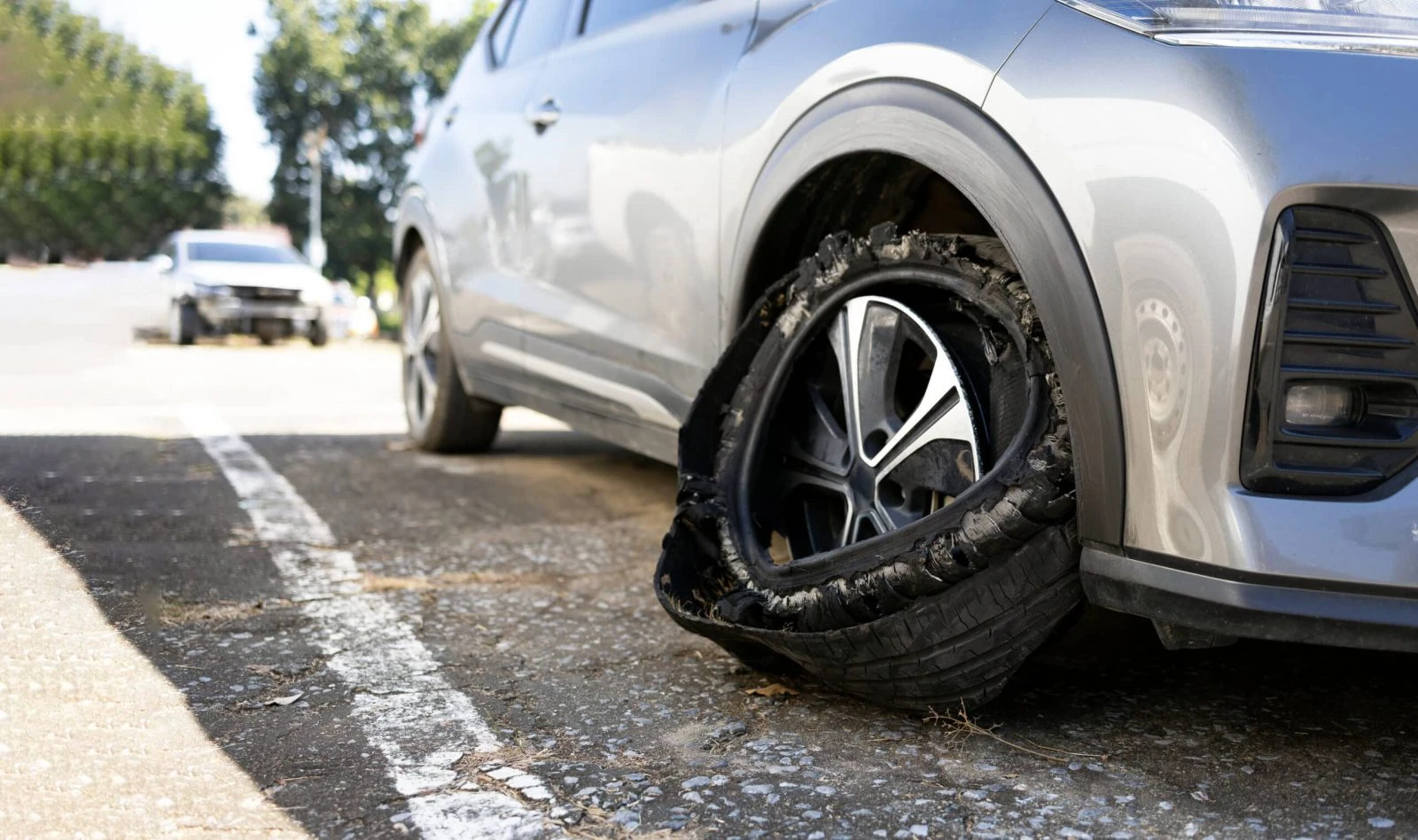
When we think of auto accidents, our minds immediately go to bad, reckless driving. However, many factors can go wrong on the road, and sometimes accidents happen from something as seemingly harmless as your tires.
Tire-related auto accidents are far more common than most people realize. According to the National Highway Traffic Safety Administration (NHTSA)’s latest statistics, these types of incidents resulted in 646 deaths in the United States in 2023. NHTSA also claims that around 11,000 tire-related accidents occur every year.
What Causes Tire-Related Crashes?
The NHTSA released a study of tire-related pre-crash factors derived from the National Motor Vehicle Crash Causation Survey (NMVCCS).
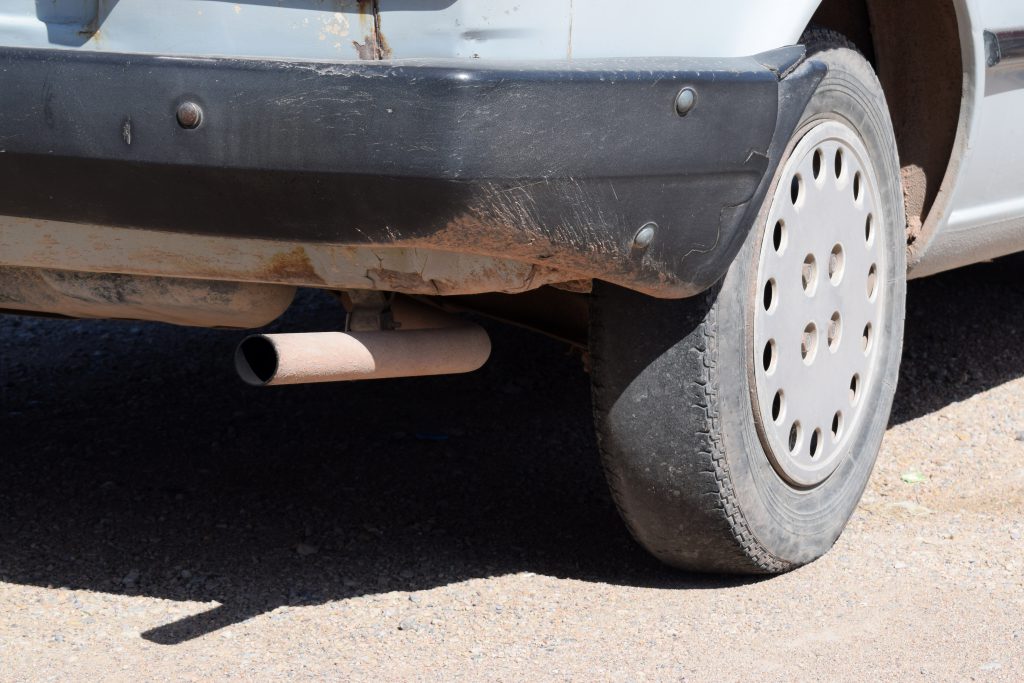
The study examined tire damage, tire pressure, tire tread depth, and other factors. Of the vehicles surveyed, 5% experienced crashes due to tire-related issues. There were 31,234 instances where one or more tires were observed to have existing damage. The study also showed that underinflation was observed in 103,375 “active” vehicles, or vehicles operated by the driver responsible for the crash. The same study also showed an increase in tire problems when vehicles ran on tires with tread depth between 0 and 4/32”.
From the study, it can be inferred that bald or improperly inflated tires (whether over- or underinflated) significantly increase the risk of tire-related accidents. Driving on overinflated or underinflated tires also increases the risk of a tire blowout.
What You Should Do After a Tire-Related Crash
- Make sure your vehicle is in a safe location.
- Check yourself and passengers for any injuries. Call 911 if injuries are severe.
- File a police report.
- Take photos and write down the necessary details, including when you last replaced your tires, the road conditions, the date and time of the incident, any other drivers involved, etc.
- Get contact information from other parties involved in the incident and from any bystanders/witnesses.
- Seek medical attention, even if you don’t feel injured.
Can You File a Personal Injury Claim for Tire-Related Crashes?
In some situations, yes. However, these cases can become complicated as multiple parties could be liable, including:
- The driver who experienced the tire problems, especially if it was found that they failed to maintain their vehicle by neglecting tire wear or not checking their pressure
- The manufacturer of the tires, if a defect was found.
- An auto repair shop, if the tires were installed correctly or the vehicle was taken in for maintenance, and they failed to check the tire pressure or note excessive wear.
- The city or municipality, if a pothole or other poor road conditions caused the tire damage.
However, it is not your responsibility to determine liability. Whether you were hit by the active vehicle or operating the active vehicle, it’s important to consult an auto accident attorney to determine your available options.
How to Prevent Tire-Related Crashes
- Most cars have low-pressure dashboard alerts. However, it’s best practice to check your tire pressure once a month with a manual or digital pressure gauge. Consult your car’s manual for the ideal tire pressure, as the recommended pressure varies based on the size of the car you’re driving and what type of tires you have.
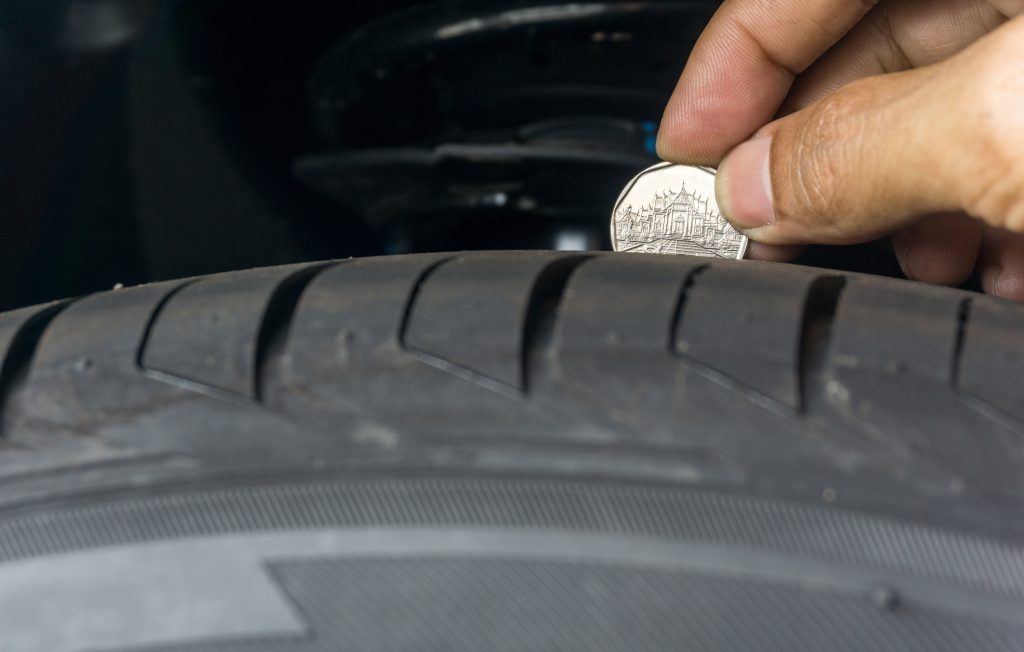
- Check tread depth. Your tire’s tread depth shouldn’t be less than 4/32”. You can check by slipping a quarter, head-first, into the groove of your tire. If Washington’s head isn’t covered between the grooves, the tread depth is too shallow. Perform this Quarter Test at least once a month.
- Get wheel alignments when they’re recommended.
- Rotate your tires based on the manufacturer’s recommendations. Most manufacturers recommend between 5,000 and 6,000 miles, but your owner’s manual will have the accurate recommendation for your vehicle.
- Observe bad road conditions, such as debris or potholes, and maneuver around them if you can do so safely.
- Check the NHTSA’s website for tire recalls and for other TireWise resources.
Have You Been Injured? Schedule a Free Consultation
Giroux Pappas handles personal injury cases across the state of Michigan, including auto accidents. Whether your incident was caused by a tire defect or another driver’s negligence, our attorneys are ready to help you fight for the justice you deserve.
Don’t wait—if you’ve been injured, contact our firm today to schedule a free consultation.