


Harmed by an anesthesia error in Michigan? Giroux Pappas investigates dosage errors, airway failures, monitoring mistakes, and anesthesia error claims. Request a confidential consultation.
Anesthesia Malpractice Lawyers in Michigan
Patients understand that every surgery comes with some level of risk. We know that. Patients sign consent forms, they are asked questions repeatedly while being prepped for surgery. They place their trust in healthcare professionals like surgeons, anesthesiologists, nurses, and the hospital staff responsible for their care while there. What patients and their families don’t expect is a life changing injury because someone failed to follow a protocol or the well established medical standards. Anesthesia errors can be a common type of medical negligence in a hospital.
Anesthesia errors are some of the most devastating forms of medical malpractice that we see. Medication that is administered incorrectly, an airway that is improperly managed of vital signs that are not noticed for even a couple minutes can result in significant brain injury, organ damage, permanent paralysis or even death. These injuries can be complicated and permanent and deserve careful investigation after surgery.
As experienced Michigan anesthesia malpractice lawyers, we understand the significance of these types of medical errors and how devastating they can be to a patient and their family. At Giroux Pappas Law, we represent patients and families throughout Michigan that have experienced anesthesia errors and need our expertise to get answers. Anesthesia error cases require meticulous investigation, consultation with medical experts and an understanding of how anesthesia should be safely administered. This negligence in healthcare happens more often than thought and deserves investigation.
Our philosophy is simple: preparation comes first. Before our anesthesia error lawyers ever file a lawsuit, we work to understand exactly what happened, why it happened, and whether the accepted standard of care was violated. That commitment reflects our Pure Law® philosophy—careful preparation, thoughtful advocacy, and representing clients with integrity throughout every stage of the legal process.
Attorney Insight
“Families call us because something completely unexpected happened during surgery to someone they love. They have questions and they need to get to the bottom of it. Finding those answers is where every case begins.”

What Is Anesthesia Malpractice?
Anesthesia malpractice can occur when medical professionals fail to provide the appropriate standard of care. Anesthesiologists, certified registered nurse anesthetists (CRNA), hospitals, surgery centers and other healthcare providers may fail to provide anesthesia according to the standard of care thus contributing to a preventable sometimes catastrophic injury to a patient.
It should be noted and it’s very important to understand that not every unexpected surgical outcome is malpractice. Even when a provider does everything correctly, complications can happen. The law allows for this distinction. However a malpractice claim can be made when a healthcare provider’s conduct falls below what a reasonably careful provider would have done under similar circumstances, and that failure causes injury.
To determine if an anesthesia error occurred, anesthesia malpractice attorneys will conduct a detailed review of:
- The anesthesia record
- Medication administration records
- Pre-operative assessments
- Continuous monitoring data
- Surgical records
- Hospital policies and procedures
- Expert opinions from practicing anesthesiologists
Anesthesia malpractice can be some of the most complex cases we handle due to this exhaustive list of medical records and a recreation of the time line, a minute by minute accounting of what happened in the operating room. It requires a deep understanding of medical language and records review and a complete knowledge of legal issues surrounding medical malpractice.
Types of Anesthesia Errors
One of the most important parts of investigating these cases is identifying how the error occurred. While every situation is different, anesthesia malpractice often falls into several recognizable categories.
Medication and Dosage Errors
Administering anesthesia requires extraordinary precision. The medications used during surgery affect breathing, heart function, blood pressure, consciousness, and pain control. Small mistakes can have enormous consequences for clients and their families.
Some of the medication related errors may include:
- The wrong medication is administered.
- Giving an incorrect dosage
- Failing to account for a patient’s weight or medical condition
- Improperly mixing medications
- Giving drugs to the patient to quickly
- Failing to review allergies or contraindications
These mistakes can cause respiratory failure, cardiac complications, prolonged unconsciousness, brain injury, or death.
Some medication errors occur before the patient even enters the operating room. Others happen during surgery when multiple medications are administered in rapid succession. Determining where the breakdown occurred often requires a careful reconstruction of the entire procedure.
Airway Management and Intubation Errors
One of an anesthesia professionals’ major responsibilities is ensuring that the patient continues to receive enough oxygen throughout the entire surgery. When oxygen is dimensioned or withheld from a patiernt serious injuries can occur.
When a patient’s airway becomes blocked—or when a breathing tube is improperly inserted—the consequences can become catastrophic within minutes.
Examples of airway-related errors include:
- Delayed intubation
- Improper placement of the breathing tube
- Failure to recognize an obstructed airway
- Inadequate ventilation
- Failure to respond to declining oxygen saturation
It only takes a short period of time for brain tissue to suffer if in fact inadequate oxygen occurs, these situations require immediate recognition and intervention.
Investigating airway failures often involves reviewing anesthesia records alongside electronic monitoring data to determine exactly when oxygen levels changed and how providers responded.
Failure to Monitor Vital Signs
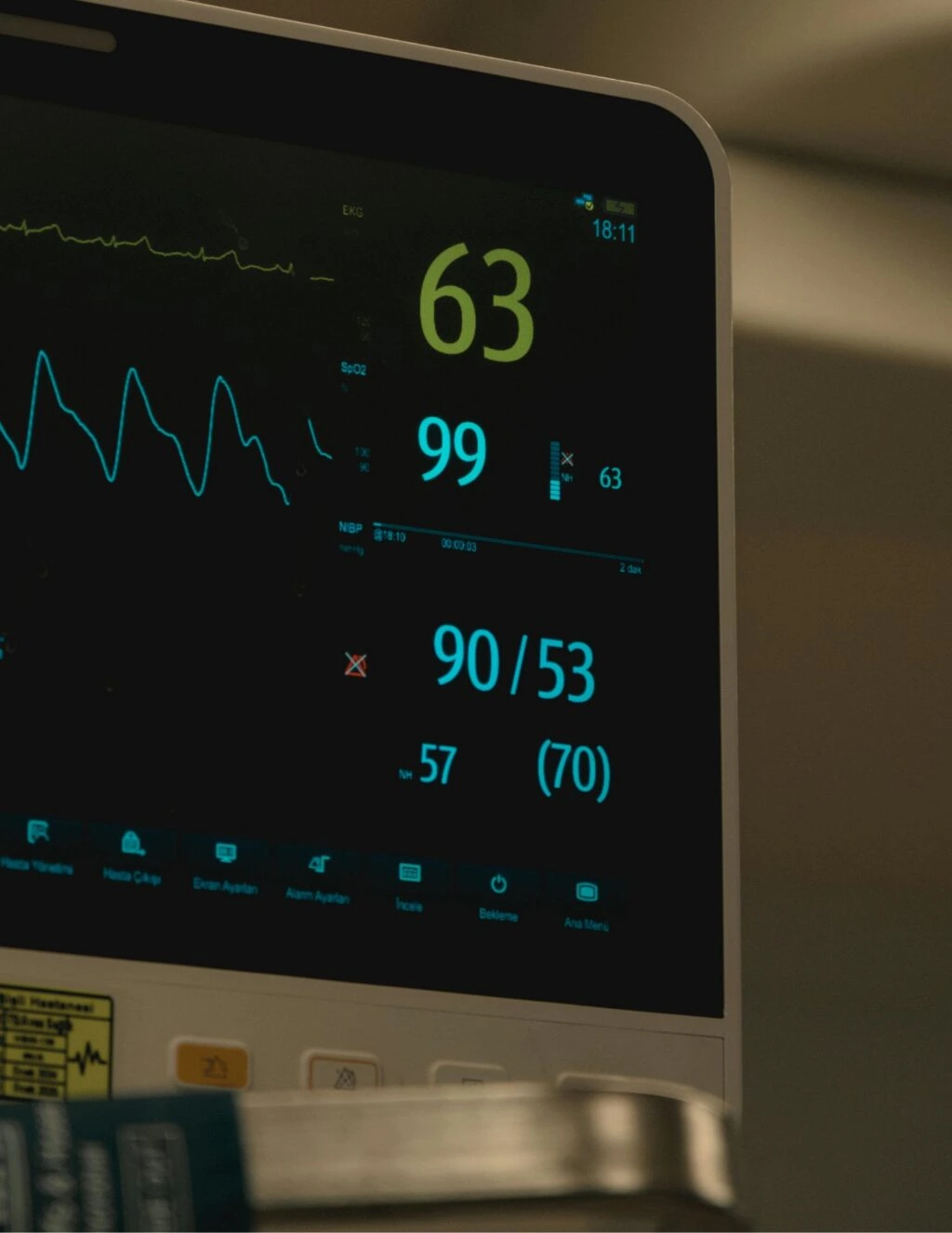
Today’s, modern operating rooms are well equipped with sophisticated monitoring technologies. They are designed to alert providers when a patient’s condition begins to change and gives them time to make adjustments. But when a professional fails to monitor or notice a change in vital signs, injury can occur.
Patients under general anesthesia are continuously monitored for:
- Heart rhythm
- Blood pressure
- Oxygen saturation
- Carbon dioxide levels
- Respiratory rate
- Body temperature
An enormous amount of data is collected during a surgery and throughout the procedure. Equipment errors can be one reason for the injury but sometimes it’s that the professionals didn’t recognize or act on it quickly enough.
For example, declining oxygen levels or changes in heart rhythm may provide early indications that a patient is experiencing complications. When those changes aren’t appropriately addressed, preventable injuries may occur.
Understanding exactly what the monitors showed—and when—is often one of the most important parts of building an anesthesia malpractice case.
Anesthesia Awareness
One of the most frightening complications patients experience is waking up during a surgery while being unable to move, communicate or let someone know that its happening. This is called anesthesia awareness, a condition that can leave patients hearing conversations, feeling pressure or in rare cases, feeling pain, without being able to alert anyone in the operating room.
The emotional effects of such an experience can be profound. Some patients experience:
- Post-traumatic stress disorder
- Anxiety
- Depression
- Sleep disturbances
- Panic attacks
- Long-term emotional trauma
It’s important to understand that not every case of anesthesia awareness constitutes malpractice.
The legal question is whether anesthesia was administered and monitored according to accepted medical standards. Sometimes this awareness or awakening occurs despite appropriate care and in other situations, it just might be a result of a monitoring failure or medication mistake.
A careful review of the medical records by experienced medical malpractice attorneys and medical experts is necessary before drawing conclusions.
Failure to Recognize an Allergic Reaction
Anesthesia medications can occasionally trigger severe allergic reactions that require immediate intervention. Although uncommon this is still a concern.
Medical providers are trained to recognize the warning signs of:
- Anaphylaxis
- Rapid blood pressure changes
- Airway swelling
- Cardiovascular collapse
If there is a failure to recognize when a patient is in distress and the treatment is delayed, patients may suffer permanent injuries that could have been avoided with prompt recognition and appropriate emergency care.
These types of cases require careful review to understand what occurred during surgery, the timing of symptoms and potential remedy. Understanding a patient’s medical history can also help alert medical professionals to an increase in risk.
Communication Failures Before Surgery
Often the anesthesia error occurs before the patient enters the operating room. When the anesthesia doctor or CRNA nurse comes in and asks questions about your health history it often seems like everyone is asking the same questions over and over but this is part of the process of keeping you safe.
Many serious injuries begin with communication failures during the pre-operative evaluation when medical professionals are in a hurry and forget to ask questions, or think someone else on the team has done so.
Before anesthesia is administered, providers should review:
- Medical history
- Current medications
- Prior anesthesia complications
- Allergies
- Existing heart or lung conditions
- Sleep apnea
- Family history of anesthesia reactions
Missing or ignoring this information may increase the risk of serious complications that otherwise could have been anticipated. For patients, this part of the process often feels routine. For anesthesia providers, however, it is one of the most important opportunities to identify risks before surgery begins.
Why Anesthesia Cases Are Different From Other Medical Malpractice Claims
Anesthesia malpractice cases differ from many other medical negligence claims because the patient is often unconscious—or has little or no memory of what occurred and cannot explain what happened in an operating room.
That means families are frequently left with unanswered questions about what happened and how their loved one was injured. They may receive conflicting explanations from different providers or find that no one can clearly explain why their loved one suffered permanent injuries. They may know only that a routine procedure suddenly became a medical emergency.
How to Investigate an Anesthesia Malpractice Case
Every anesthesia malpractice claim begins with one simple question:
Was this injury preventable?
Answering that question requires much more than reviewing a hospital discharge summary these cases rely heavily on medical evidence because the injured patient was likely, hopefully asleep when the malpractice occurred.
Unlike many personal injury cases, anesthesia malpractice claims are built almost entirely through medical evidence. Every medication administered, every change in a patient’s vital signs, and every decision made by the anesthesia team is documented. Our job is to reconstruct what happened and determine whether the care provided met accepted medical standards.
At Giroux Pappas Law, we approach these cases the same way we prepare every significant medical malpractice claim—with thorough investigation, careful preparation, and guidance from respected medical experts.
Our investigation often includes reviewing:
- The complete anesthesia record
- Medication administration records
- Electronic monitoring and vital-sign data
- Surgical and operative reports
- Nursing notes
- Recovery room records
- Imaging studies and laboratory results
- Hospital policies and procedures
- Testimony from healthcare providers involved in the procedure
One of the most valuable pieces of evidence is often the anesthesia record itself. Unlike narrative medical notes written after surgery, anesthesia records document events as they happen. They provide a minute-by-minute timeline showing medications administered, oxygen levels, blood pressure, heart rate, and other critical measurements throughout the procedure.
With this level of detail and complexity we call in independent anesthesiologists and other qualified medical experts who review the records to determine whether the accepted standard of care was followed.
Their analysis helps answer questions such as:
- Were appropriate medications selected?
- Were the medications administered correctly?
- Were changes in the patient’s condition recognized quickly enough?
- Should surgery have been delayed?
- Were warning signs ignored?
- Could the injury have been prevented with appropriate care?
Every case is different, which is why we never begin with assumptions. Instead, we allow the medical evidence to guide our investigation.
Who May Be Liable for an Anesthesia Error?
Everyone always jumps right to the anesthesiologist when looking into an anesthesia error, however the reality can be far more complex and involve a number of different healthcare professionals – even the hospital or surgery center.
Potential responsible parties may include:
The Anesthesiologist
An anesthesiologist is responsible for evaluating the patient before surgery, developing the anesthesia plan, administering medications, monitoring the patient’s condition, and responding appropriately to complications.
If the anesthesiologist failed to meet the accepted standard of care, they may be legally responsible for the resulting injuries.
Certified Registered Nurse Anesthetist (CRNA)
Many surgical procedures involve a CRNA working independently or under physician supervision. A CRNA may be responsible for administering anesthesia, monitoring the patient, documenting the procedure, and communicating changes in the patient’s condition.
Like physicians, CRNAs are expected to follow established medical standards.
The Hospital or Surgical Center
Hospitals have responsibilities that extend beyond the actions of individual providers.
Depending on the facts, liability may involve:
- Inadequate staffing
- Poor supervision
- Equipment failures
- Communication breakdowns
- Unsafe policies or procedures
- Negligent credentialing
Sometimes a preventable injury results from a system failure rather than the actions of one individual.
Anesthesia Practice Groups
Many anesthesiologists work for private anesthesia groups that contract with hospitals. Those organizations may also bear responsibility for the care their providers deliver. Determining who is legally responsible is one of the earliest—and most important—steps in building a medical malpractice case.
Our goal is not to assign blame unnecessarily. Our responsibility is to identify every party whose negligence contributed to the injury and pursue accountability through the legal process.
Attorney Insight
“We want to see the monitoring data right away when we prepare an Anesthesia Malpractice case. Those records can often tell us more about the story than what anyone remembers months or years later.”

Michigan Deadlines for Filing an Anesthesia Malpractice Claim
Michigan medical malpractice claims, including those involving anesthesia errors, are governed by laws that differ significantly from most other personal injury cases.
These requirements are complicated, and missing a deadline can prevent you from bringing a claim at all. This is why it’s important to speak with an attorney as soon as you believe something went wrong.
Statute of Limitations for Medical Malpractice Cases
In most medical malpractice situations in Michigan, per Michigan law MCL 600.5805 you have two years from the date of the medical error causing injury. It is critical to contact an attorney as soon as you suspect that a treater or facility made a medical error.
Many factors determine how the exact deadline is calculated. It is risky to rely on general information found online, as every situation is unique.
Filing The Notice of Intent to Sue
Before filing medical malpractice lawsuits, Michigan law MCL 600.2912b requires you to send a written Notice of Intent to each healthcare provider involved. The Notice explains what happened, what should have been done differently, and how the error caused harm. this notice begins a 182-day waiting period before a lawsuit may proceed.
Affidavit of Merit Must be Signed by A Health Professional
Michigan law MCL 600.2912d also requires plaintiffs to file an Affidavit of Merit signed by a qualified medical expert, such as a practicing anesthesiologist or CRNA.
In an anesthesia case, this means that you must have an expert in the anesthesia field review the records and support the claim that an error or medical malpractice occurred. This affidavit confirms that in the expert’s opinion, that the provider should have followed a certain standard of care, that the provider failed to follow the standard of care, and their error caused the injury.
Why Contacting Us Quickly Matters
Anesthesia malpractice cases often involve detailed medical records and multiple providers. Waiting too long can make it harder to gather records, identify who is responsible, and get expert support in time to meet required deadlines. If you believe an anesthesia error occurred, it is important to have your case reviewed as soon as possible to protect your rights.
Why Families Choose Giroux Pappas
Medical malpractice cases require more than legal knowledge. They require patience, preparation, and the willingness to understand highly technical medical issues. To understand the broader context, you can also review the basics of medical malpractice in Michigan.
At Giroux Pappas Law, our Pure Law® philosophy guides every case we handle.
That means:
- Careful preparation before litigation begins
- Direct access to experienced attorneys
- Collaboration with respected medical experts
- Honest guidance throughout the legal process
- Trial-ready preparation from the beginning of every case
Our firm has represented individuals and families throughout Michigan in complex medical malpractice litigation involving catastrophic injuries and wrongful death.
Our attorneys have tried over 130 cases to verdict and have helped recover more millions for our clients. Those results reflect decades of careful preparation and thoughtful advocacy—not promises about future outcomes.
We understand that every client who walks through our doors has a different story. Some are looking for answers. Others want accountability. Many simply want to know whether what happened to them should have happened at all.
Our responsibility is to listen first, investigate carefully, and provide honest advice based on the facts.
Request a Confidential Case Review
We invite you to contact us to request a confidential consultation to discuss your situation with our team. We will listen to your concerns, explain the legal process, and provide an honest assessment of your potential claim.
There is no fee unless we recover compensation on your behalf, and your consultation is completely confidential.